
A simulation toolkit for upstream bioprocess optimization and troubleshooting
Powered by hybrid ML-mechanistic models that predict the evolving metabolic state of cells.
Experiment-based bioprocess design has limitations:
- 01 Low Experimental Throughput
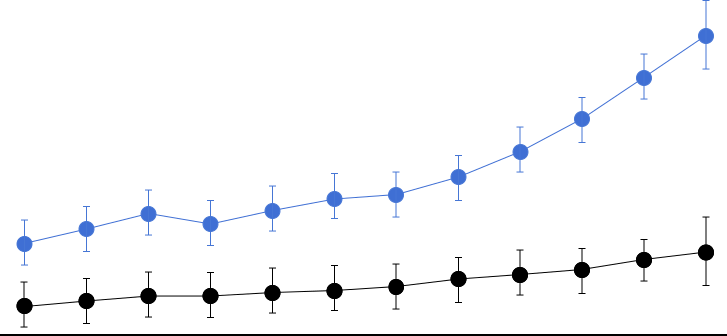
- 02 Observations Without Causes
- 03 Undetected Sensor Errors
- 04 Biological Complexity
Traditional DoE can only test a small fraction of possible designs due to time and cost constraints.
Process data reveals little about intracellular mechanisms.
Sensor measurements may be unknowingly erroneous.
Predictive accuracy is hindered by the complexity of the biological system.
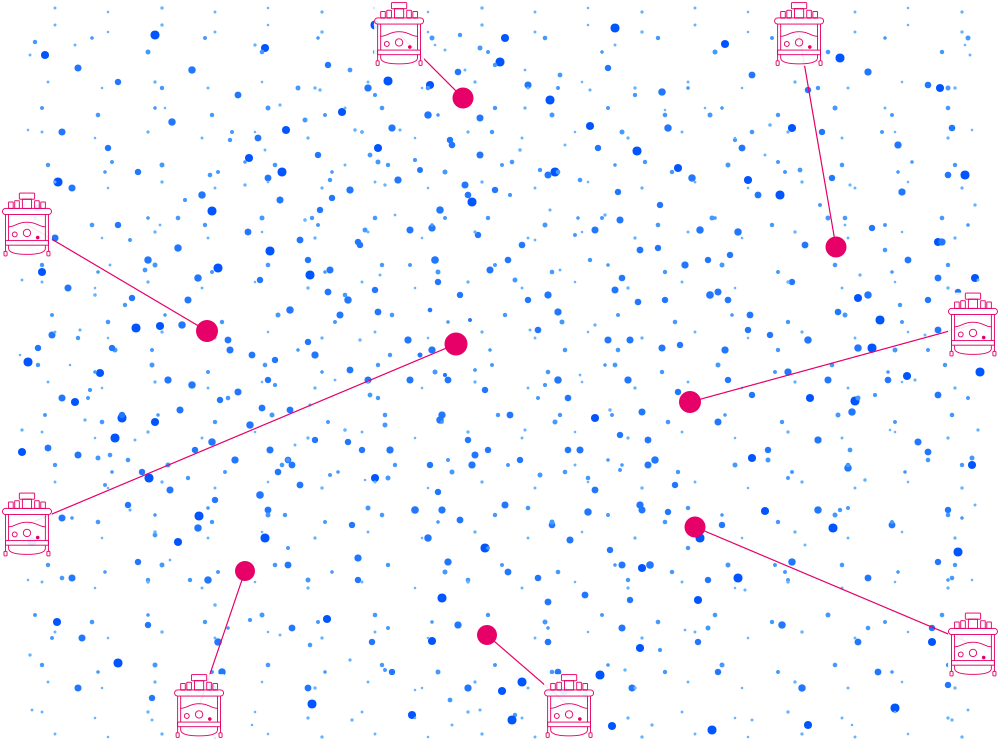
- Experimentally tested
- Possible designs

- Unexplained by-product rise
- Process observations
- Undetected error
- Observed sensor readings
- True values
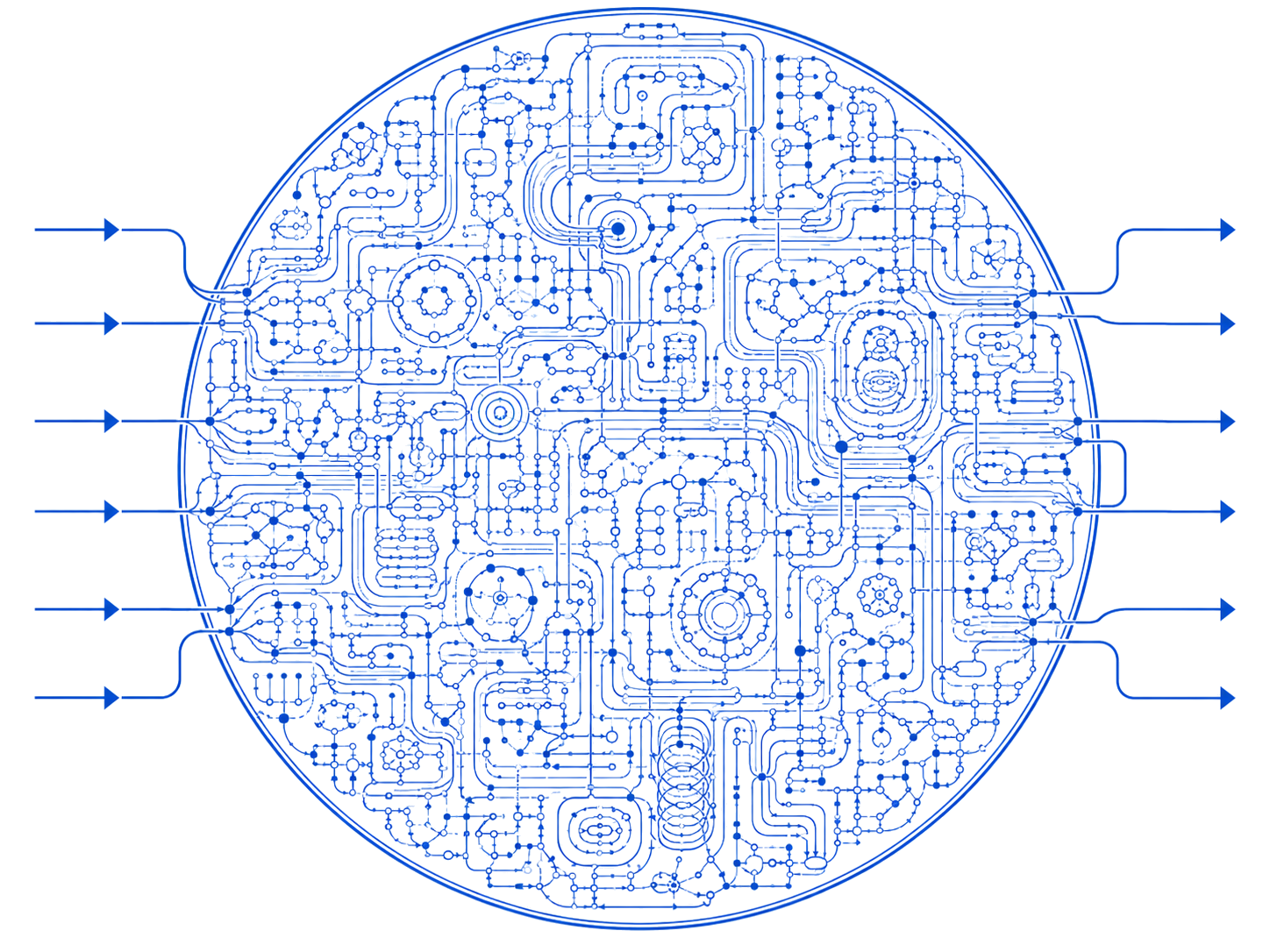
- Obfuscated and complex interactions
Our digital twin addresses these limitations
A digital twin can explore thousands of configurations at a fraction of the experimental cost and time.
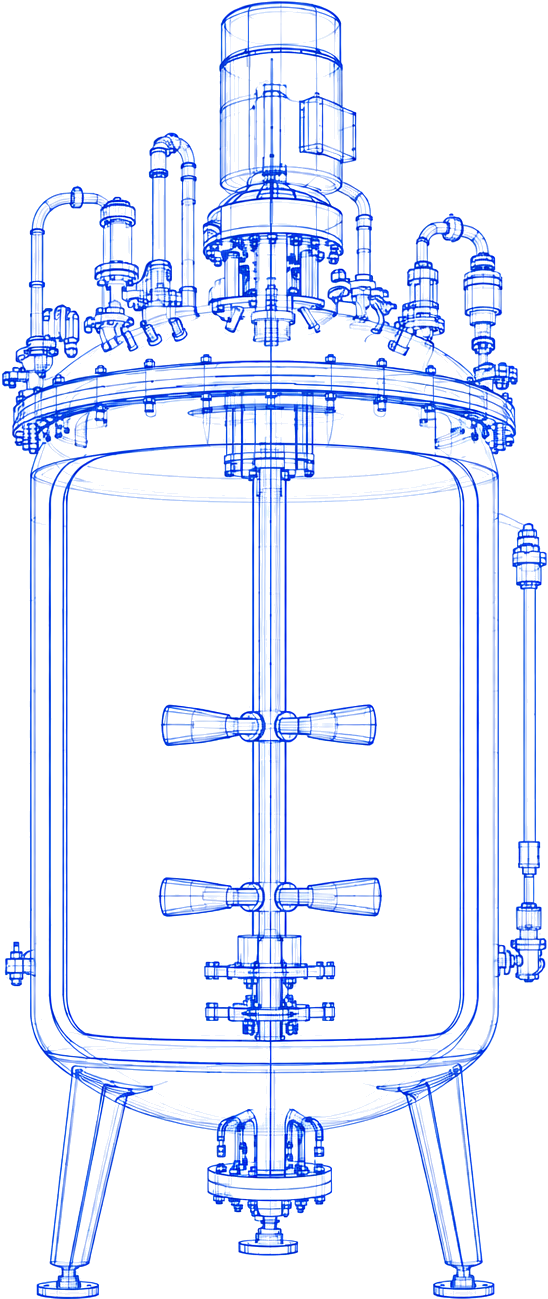
-
Extracellular ModuleReactions outside the cell that occur independent of cellular activity.

-
Metabolic ModuleHybrid mechanistic-machine learning model that simulates reaction kinetics and cell growth.
-
Reactor ModuleInfluxes, outfluxes, and reactor characteristics.
- Identifysensor anomalies.
- Troubleshootwith metabolic flux analysis.
- Optimizetowards multiple competing goals.
How we model metabolism
Assemble a Genome-Scale Metabolic Model (GEM).
Genome annotation
Gene–protein–reaction connection
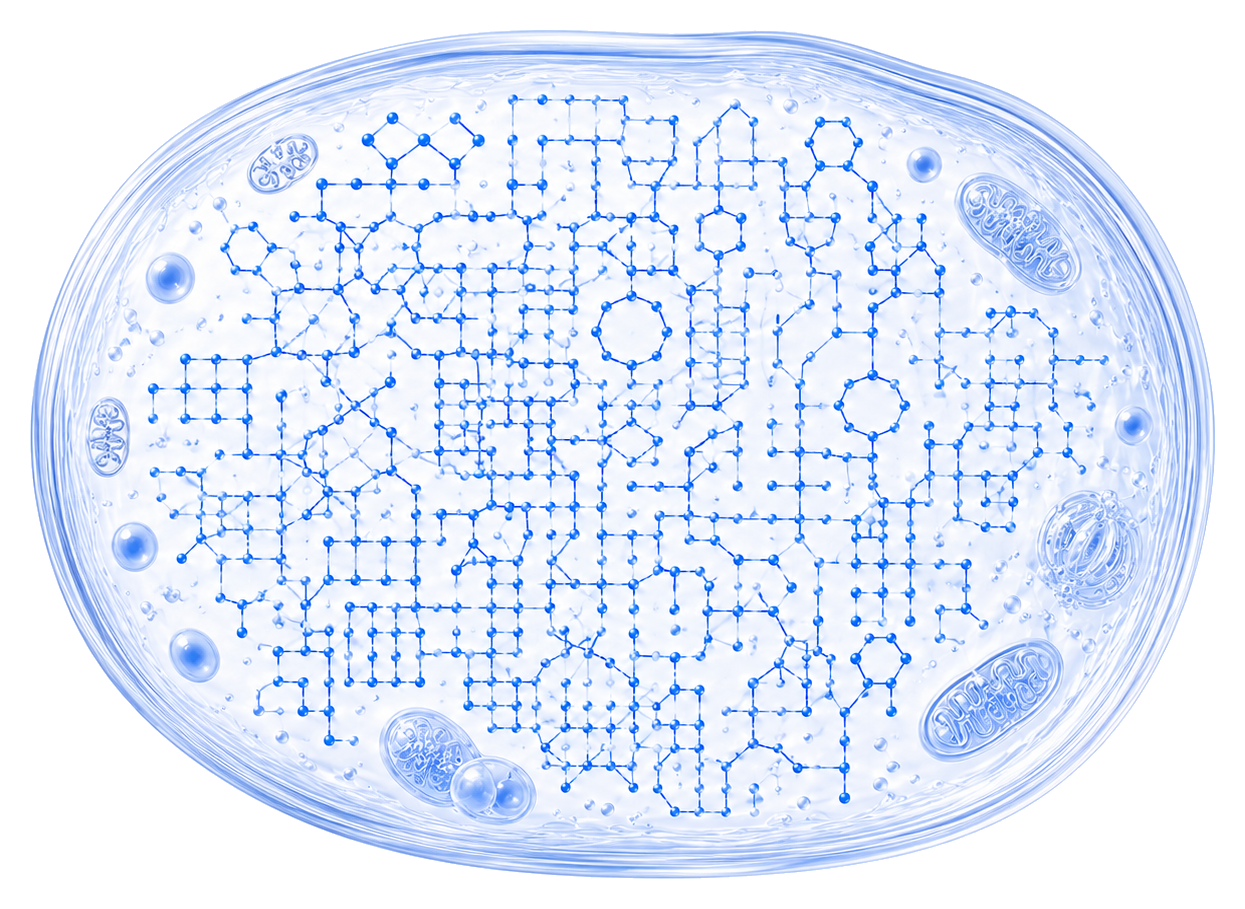
Gap filling and curation
Experimental validation
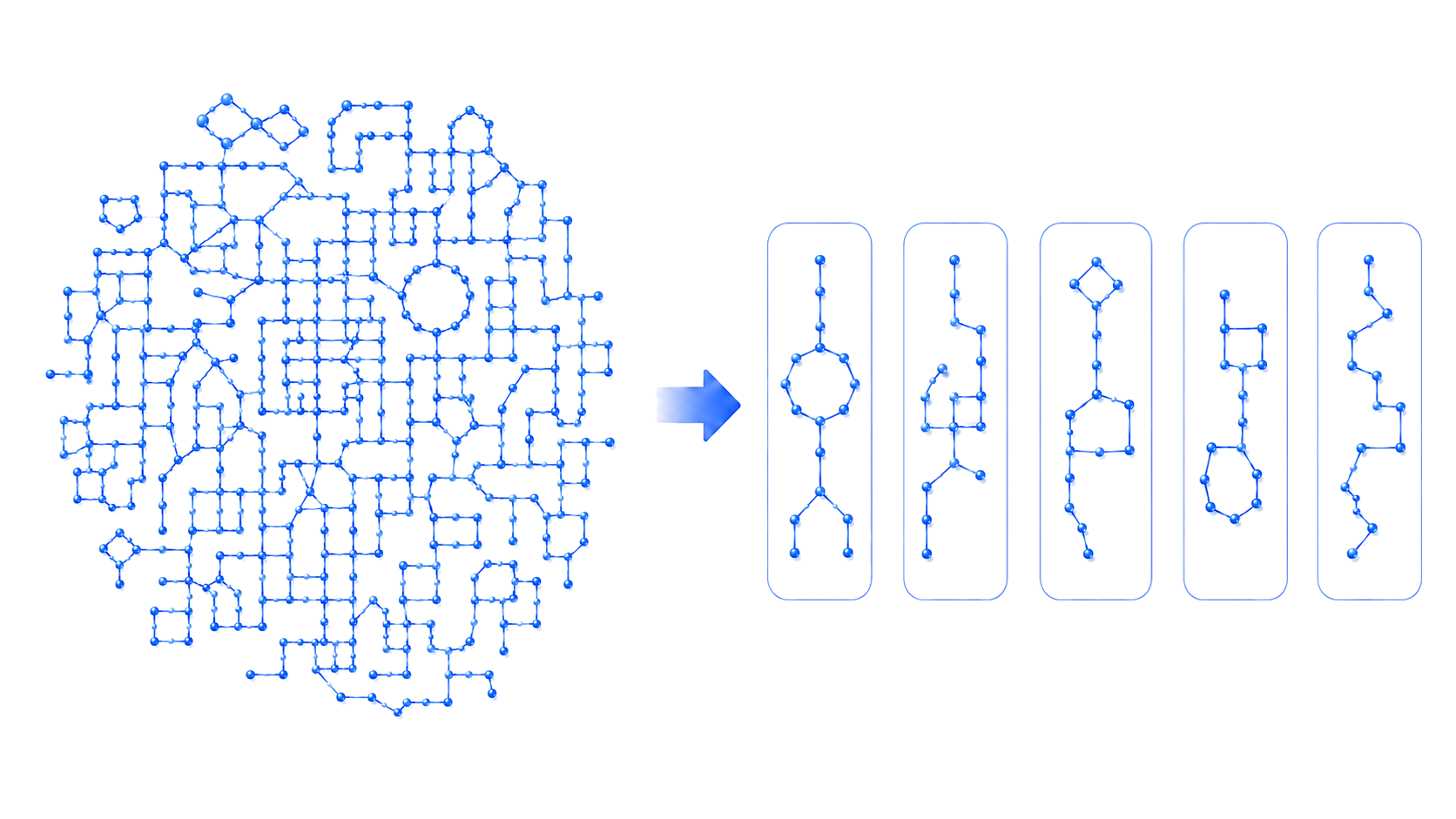
Decompose into minimal metabolic functioning units.
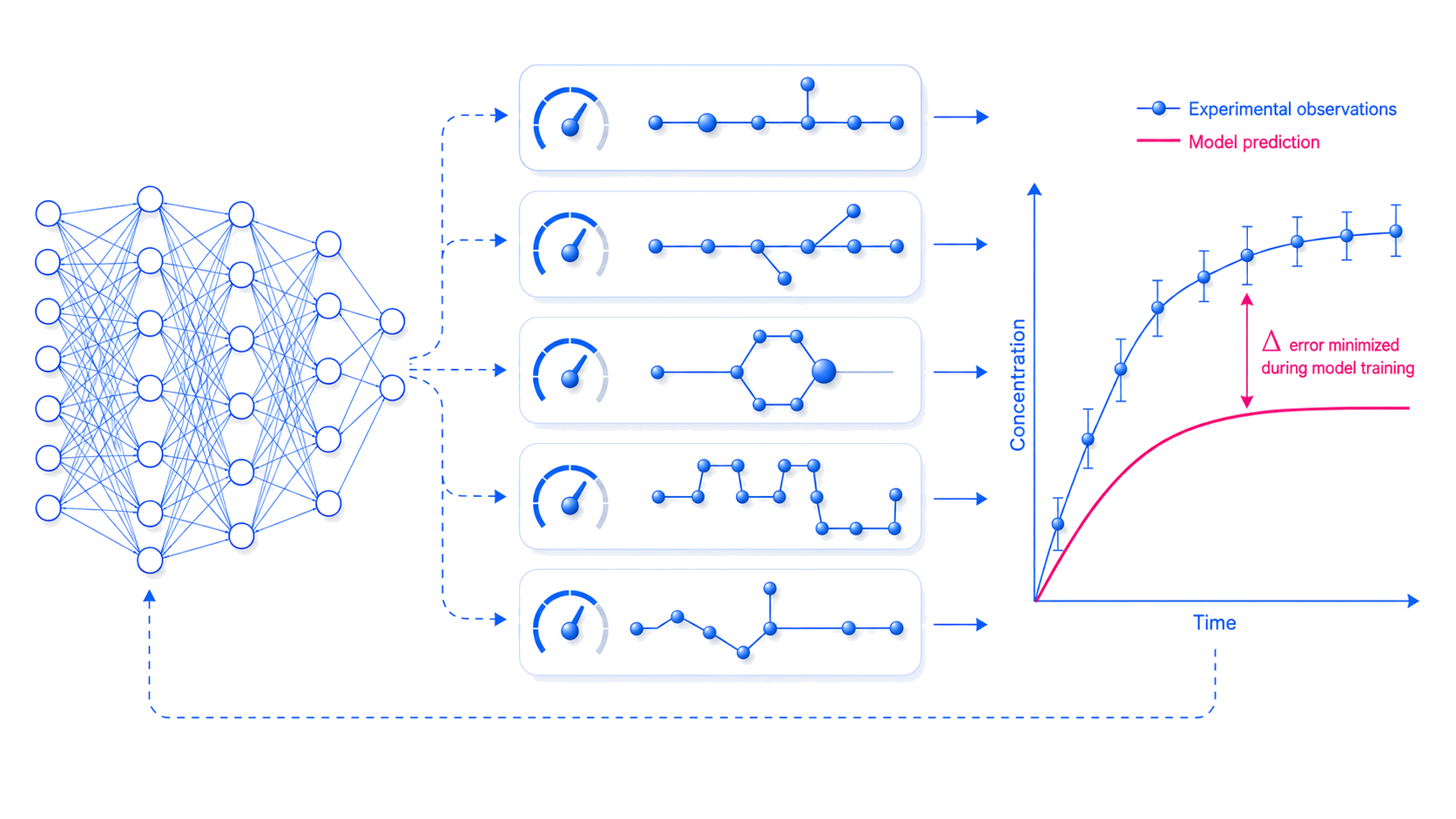
Train a neural network on process data to minimize prediction error by modulating the activity of those metabolic units.
12 of the top 20 pharma have used our digital twins for process optimization.
Reduced peak NH4+ concentration by 50% whilst keeping titer within 98.7%.
Experimentally validated
Improved product titer by 70%.
Experimentally validated
Improved key glycoforms by up to 91% in a partner's mAb.
Experimentally validated
Lifted titer constraints by supplementing key vitamins.
Simulation result
The Insilico Suite bundles model training, predictions, and results analysis into a no-code workstation.